 Analysis by Gamescozy
Word Tiles - Relaxing Puzzle is the kind of game I reach for when I want to give my attention one small, tidy job rather than commit to a long session. It is a word puzzle from Agave Games, built around arranging tiles, and that simple premise makes it easy to understand at a glance. I find the appeal less in dramatic challenge than in the quiet satisfaction of spotting how pieces might fit together.
It is free to download and rated for Everyone, so the initial decision to try it is straightforward. The game has a 4.9 average from around 44,000 ratings, and it has passed a million installs. Those figures suggest broad interest, but they do not tell me whether its style will suit every word-game fan. The useful question is whether tile-based word solving is the kind of gentle focus you want from a mobile puzzle.
What the tile format feels like in everyday play
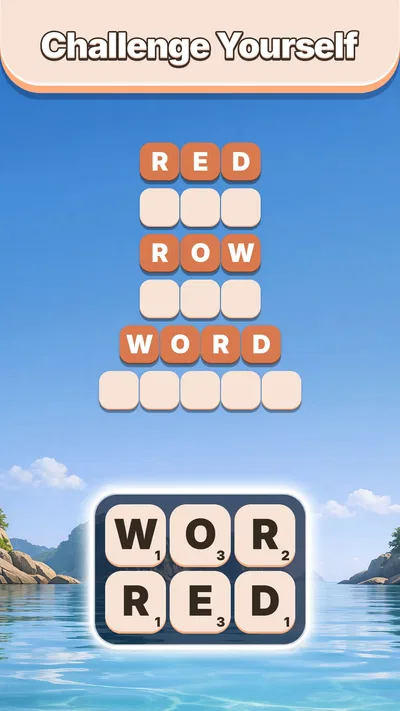
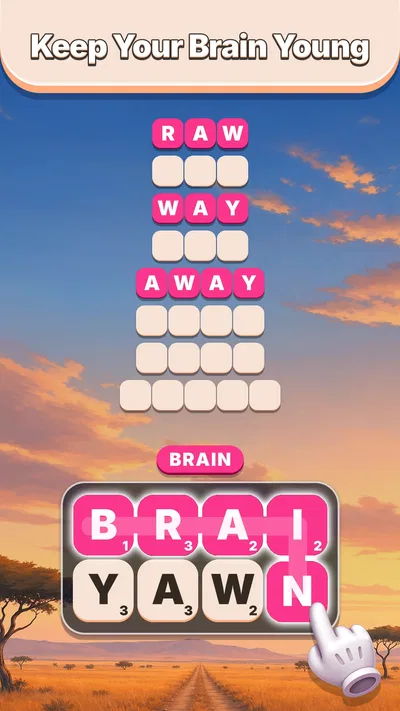
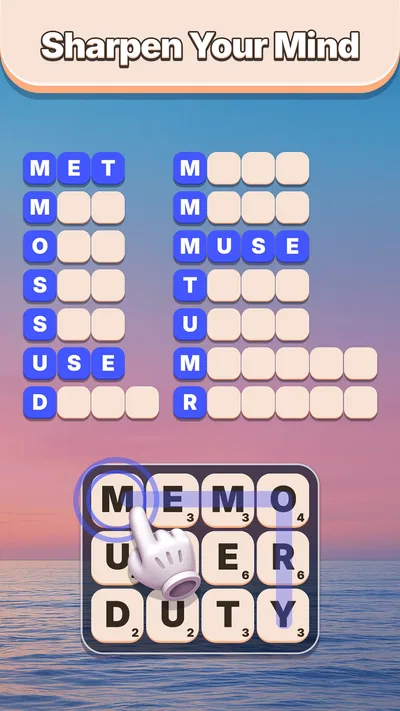
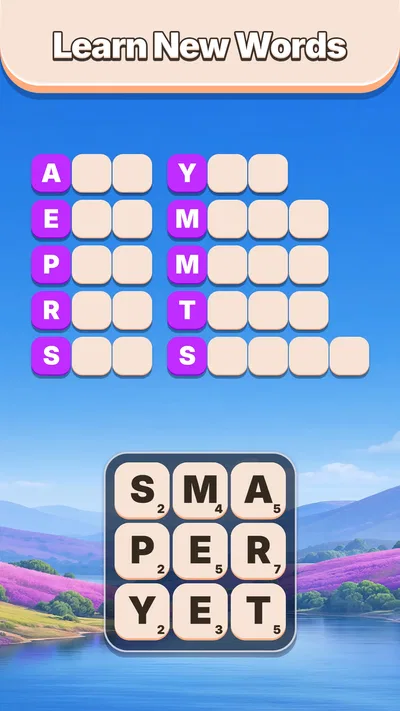
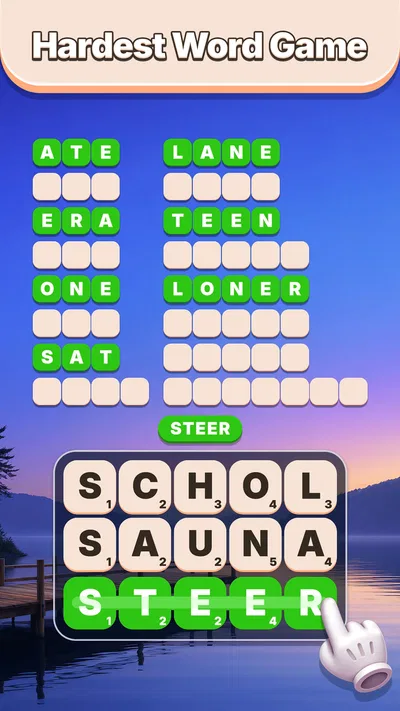
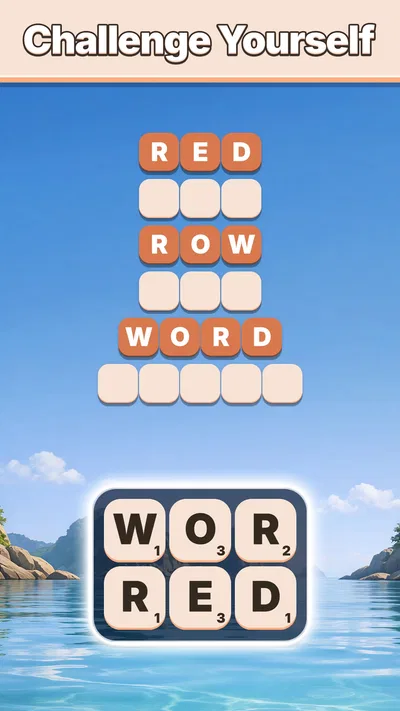
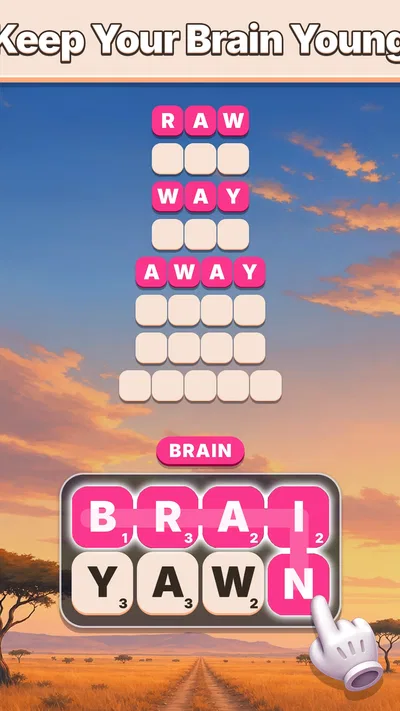
Word Tiles - Relaxing Puzzle belongs to the puzzle game category, but the word-tile framing gives it a different feel from a conventional crossword. A crossword asks me to interpret clues and recall vocabulary; a tile puzzle puts more emphasis on examining the pieces in front of me and finding a workable arrangement. That makes it a natural choice when I want a word-oriented activity without making every move depend on trivia knowledge.
The format also suits short gaps in the day. I can imagine opening it while waiting for a kettle, taking a brief break between tasks, or settling into a few quiet minutes before bed. It does not require the social coordination of a multiplayer game or the longer uninterrupted attention that a story-driven game often asks for. The word tiles provide a clear point of focus, which is useful when I want a small mental reset rather than another stream of fast-moving content.
My practical tip is to approach a puzzle by scanning the available tiles before committing to a solution. Look for familiar word patterns and possible letter groupings, then reconsider the arrangement if the first idea does not fit. That deliberate pause is part of the enjoyment: rushing can turn a relaxing puzzle into a frustrating one. I would treat it as a game for observation and patience, not as a test of how quickly I can tap.
Compared with word searches, this style asks for more active rearrangement: I am not simply hunting for a word already laid out in a grid. Compared with crosswords, it shifts attention away from clue interpretation and toward the tiles themselves. If you like seeing a jumble become a recognizable word, that distinction is a real strength. If your favourite part of word games is learning obscure vocabulary or solving layered clues, a crossword or a more demanding word challenge may give you more of what you want.
A good fit for calm, flexible sessions
The relaxing framing is a better match for people who want low-pressure engagement than for players seeking constant competition. I would recommend it to someone who enjoys word puzzles but does not want every session to feel like a timed exam. It can also make a reasonable shared activity: one person can suggest a possible word while another checks whether the tiles support it. That kind of casual collaboration works best when nobody is treating the puzzle as a race.
There is a useful way to fit it into a routine without letting a phone break become an accidental marathon. Decide in advance whether you are playing one puzzle or staying for a longer stretch, and stop when the activity stops feeling restful. That advice applies especially to any mobile game with optional purchases: a comfortable pace is easier to maintain when the session has a purpose, such as a short pause, rather than an open-ended urge to keep tapping.
The main limitation of a tile-based word game is also its defining constraint. If you are not in the mood to rearrange letters, the format may feel repetitive even when the individual puzzles differ. And because the experience centres on words, it is not the best pick for someone who wants a visual logic puzzle with no language element. Players who find spelling or vocabulary exercises tiring may prefer a number puzzle or a spatial game instead.
Progress without assuming a particular kind of pressure
I would not judge this game by whether it pushes me to advance quickly. Its appeal is the small problem in front of me, and that makes it easier to enjoy at my own pace than a game whose central attraction is competition. The available details establish its word-tile puzzle identity, but they do not establish a timer, lives system, streaks, level structure, or any particular penalty for getting stuck. I therefore would not plan around those mechanics or assume the game applies a certain kind of pressure.
For a relaxed session, that distinction matters. Before settling into a long play period, I would pay attention to how the current version actually handles a puzzle that takes longer than expected. If a hint or other assistance is offered in play, consider using it selectively: first try a fresh scan of the letters, then ask for help only when you would rather move on than keep working. This keeps the puzzle useful as a break instead of turning every difficult moment into a reason to spend.
The game is free, with in-app purchases listed at $1.99 to $49.99 per item. That is worth knowing before installing, especially if a child may use the device or if you prefer games with no paid options. Those purchase facts alone do not show what an item contains, whether it is optional, or how often the game presents purchase prompts, so I would not infer a paywall or a particular purchase advantage. If spending is a concern, check the purchase controls on the device and make a decision based on what the app actually presents.
Fairness and what I would check before paying
Because this is presented as a word puzzle rather than a competitive multiplayer title, I would assess fairness mainly in terms of whether the core solving experience feels accessible without paying. The confirmed purchase range tells me that paid items are available, but it does not explain their function or establish that they affect puzzle difficulty, progress, or other players. I would not call the game pay-to-win, nor would I promise that all assistance is free; neither conclusion follows from the purchase information alone.
If I encountered a purchase prompt while playing, I would pause and read what the item offers before deciding. In particular, I would distinguish between a convenience purchase and something needed to continue, rather than treating every optional offer as essential. That is a practical habit for any free-to-download puzzle game, and it is especially helpful when the item prices span a broad range. A purchase should make sense to you on its own terms, not simply because you are stuck on one word.
The app is currently version 1.6.4, and it requires Android 10 or later. The game was released on July 24, 2026. That release date is later than the present review date, so I would not present it as a past launch or draw conclusions about how long the game has been available. The version and compatibility information are more directly useful for a prospective Android player: check your operating system before installing, and keep in mind that an app version can change over time.
What remains uncertain, and why that matters
Some details are important to a buying decision but cannot be responsibly settled from the confirmed facts alone: how hints work, what purchases unlock, whether puzzles can be played offline, and how the game handles progress between devices. I would not assume any of these features. If offline access is essential for a commute or travel, test that before relying on the game in a place with no connection. If preserving progress matters, check the app’s current settings and store information rather than expecting a particular account or backup system.
That uncertainty is not a reason to dismiss the game; it is a reason to separate the core idea from extra conveniences. The known essentials are clear: it is a free word-tile puzzle, it has optional in-app purchases, and it is intended for a broad audience. Whether it meets a more specific need—such as uninterrupted offline play, detailed accessibility controls, or a particular progression style—is something I would verify directly before making it part of a daily routine.
The audience rating is Everyone, which makes the game broadly suitable in content terms, but I would still consider how purchases are managed on a shared device. A family member who enjoys word puzzles may appreciate the calm format, while an adult can set sensible purchase restrictions where needed. The rating does not answer questions about ads, privacy practices, or parental controls, so I would check those separately if they are decisive for your household.
My trust verdict for word-puzzle fans
With around 1,100 written reviews and a strong average rating, Word Tiles - Relaxing Puzzle has attracted a sizable group of players, though popularity is not a substitute for a personal fit. I would start with its basic appeal: do you enjoy manipulating letters until they form a word, and do you want a low-key puzzle rather than a competitive contest? If the answer is yes, it is a sensible free game to try. If you want complex clue solving, intense time pressure, or proof that every useful aid is available without payment, another word game may suit you better.
My overall view is positive but measured. The tile-first approach gives word solving a tactile, approachable focus, and the Everyone rating and free download lower the barrier to trying it. The trade-off is that the purchase range deserves attention, while the function of those purchases and several practical features should not be guessed at. I would recommend it as a calm companion for short breaks, with one simple rule: enjoy the puzzles on their own merits, and make any spending decision only after you know exactly what you are buying.